Pooler Auto Repair for Oil Changes
Maintain Your Vehicle in Top Condition: Essential Auto Repair Tips
Preserving a vehicle is vital for its durability and efficiency. Regular upkeep can avoid expensive fixes and enhance safety. Many drivers neglect essential tasks like fluid checks and tire rotations. Understanding when to perform these maintenance tasks is critical. Moreover, understanding the difference between DIY repairs and professional assistance can make a substantial change. What further aspects may influence a vehicle's smooth operation? These guidelines will offer additional information.
Learn Your Vehicle's Maintenance Schedule
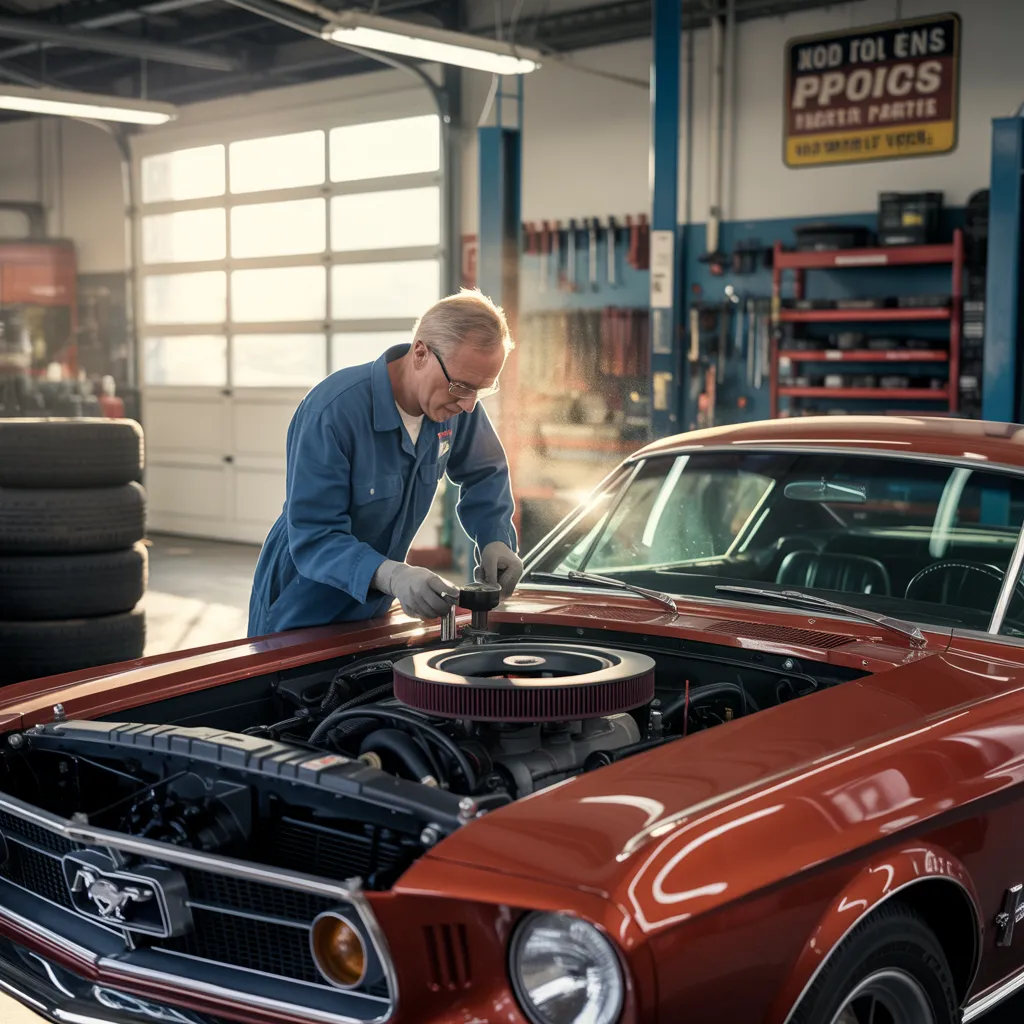
To maintain peak performance and longevity, understanding a vehicle's maintenance schedule is essential expert advice for every car owner. This schedule defines the exact timeframes for servicing key components, guaranteeing the vehicle runs smoothly and efficiently. Common routine maintenance tasks include oil changes, filter replacements, and tire rotations, each playing a vital role in preventing costly issues from developing over time.
Auto manufacturers often provide specific instructions in the vehicle owner's manual, outlining when these services should be completed according to distance or time intervals. Following these recommendations supports the maintenance of the car's warranty coverage and improves its market value.
In addition, keeping up with safety recalls and technical bulletins enhances safety and reliability. By prioritizing the service schedule, owners are able to minimize the likelihood of sudden breakdowns and expensive repair bills, thus resulting in a smoother driving experience. Acknowledging the critical nature of these routine services is a critical aspect of proper vehicle stewardship.
Check and Change Your Fluids Regularly
Consistently monitoring and replacing vehicle fluids is critical for keeping your vehicle running at its best and preventing costly damage. Important fluids including engine oil, coolant, brake fluid, transmission fluid, and power steering fluid are fundamental to a vehicle's operation. Engine oil lubricates moving parts, reducing friction and heat, while coolant stops the engine from overheating. Brake fluid is critical for effective braking, and transmission fluid promotes smooth and reliable gear shifting.
Ignoring fluid maintenance can result in serious problems, including powertrain failure or diminished braking capability. Vehicle owners are encouraged to refer to their owner's manual for recommended schedules related to fluid inspections and replacements. Moreover, periodic inspections can aid in spotting leaks or contamination before they worsen. By incorporating fluid maintenance into regular vehicle upkeep, owners can improve durability and dependability, ultimately reducing expensive repair costs. Prioritizing these tasks contributes considerably to the overall health of the vehicle.
Examine and Swap Out Worn Tires
Inspecting and replacing worn tires is crucial for guaranteeing safety and peak vehicle performance. Tires represent the only connection between a vehicle and the road surface, making their condition absolutely critical. A thorough inspection should involve assessing tread depth, sidewall condition, and uneven wear distribution. Tread depth can be evaluated using the penny test; if the tread does not cover Lincoln's head, it's time for a replacement.
Drivers should also monitor tire pressure, as both low pressure and high pressure can adversely affect handling and fuel efficiency. Additionally, rotating tires every 5,000 to 7,500 miles promotes even wear and extends their lifespan. When tires exhibit noticeable wear or deterioration, immediate replacement is necessary to preserve maximum traction and avoid blowouts. By focusing on proper tire upkeep, vehicle owners can enhance safety, improve fuel economy, and guarantee a smoother driving experience. Routine tire maintenance can considerably affect the long-term reliability of a vehicle.
Scheduled Brake Inspections and Pad Replacements
Consistent brake inspections and pad replacements are vital for ensuring vehicle safety and performance. Motorists should recognize the indicators of worn brake pads, including squeaking or diminished responsiveness. Creating a consistent inspection plan can help eliminate costly repairs and maintain peak brake performance.
Importance Of Brake Health
While many drivers prioritize engine performance and fuel efficiency, the value of maintaining brake health is critically important. Effective brake operation is vital for road safety, allowing drivers to halt safely and prevent collisions. Regular brake inspections help identify potential issues early, preventing costly repairs and ensuring peak performance. Brake pads, which undergo considerable deterioration with use, ought to be swapped out based on manufacturer guidelines or whenever evaluations reveal diminished performance. Ignoring brake maintenance can result in reduced stopping capability and longer braking distances, endangering the driver and other road users. By emphasizing brake maintenance, drivers can enhance their vehicle's safety and longevity, ultimately leading to a more secure driving experience.
Warning Signs Of Worn Pads
Brake pads are essential components that directly impact a vehicle's stopping power, and detecting the warning signs of worn pads is essential for keeping drivers safe on the road. Motorists should watch carefully for a number of warning signs of wear. A squealing or scraping sound while braking frequently indicates that the pads have worn thin and require replacement. Additionally, a vehicle pulling to one side while braking may suggest uneven pad wear. Reduced responsiveness or a spongy brake pedal can also indicate that the pads are not performing effectively. In addition, a physical examination can expose a worn pad surface, generally under a quarter-inch in thickness, requiring prompt action. Scheduled brake checks can aid in uncovering these concerns before they pose a risk to driver safety.
Recommended Inspection Schedule
Scheduled inspections are vital for maintaining peak vehicle performance and safety. Regular brake inspections, typically recommended every 6,000 to 10,000 miles, help identify wear and tear before it becomes a serious issue. Professionals examine the brake pads, rotors, and fluid levels to confirm proper operation. If brake pads are worn to below the manufacturer's specifications, replacing them promptly is essential. Overlooking this care can contribute to diminished braking effectiveness and potentially unsafe circumstances. Furthermore, motorists should remain attentive to any strange noises or vibrations while braking, as these may signal the necessity for prompt inspection. Adhering to these guidelines not only improves vehicle safety but also prolongs the longevity of the braking system. Making scheduled inspections a priority results in a more dependable driving experience.
Inspect Your Battery Health Consistently
What is the best way to ensure consistent and reliable vehicle startup? Routine battery health inspections are essential for ensuring reliable performance. The battery in a vehicle plays a crucial role in engine ignition and supporting multiple electrical components. With continued use, batteries may experience reduced capacity as a result of aging, harsh temperature conditions, or terminal corrosion.
To keep your battery in good condition, it is recommended to check it every half year. Check for signs of deterioration, such as bulging or cracks. Clean any corrosion around the terminals using a mixture of baking soda and water. Additionally, measuring the battery's voltage can give you a clear picture of its condition; a properly charged battery should display approximately 12.6 volts or higher.
If the battery shows signs of decline, immediate replacement can ward off unexpected malfunctions. With proper battery maintenance, car owners can ensure their vehicles start dependably, decreasing the possibility of becoming stranded as a result of battery complications.
Never Ignore Warning Lights
Ignoring warning lights can cause severe problems for a vehicle's overall safety and functionality. These warning lights act as vital signals that notify drivers of potential issues, varying from small defects to critical failures. As an illustration, a check engine light could indicate anything from a loose gas cap to a serious underlying engine issue.
Overlooking these warnings can lead to worsening damage and greater financial burden, as well as dangerous conditions on the road. Furthermore, certain warning indicators, such as those indicating brake failure or low oil pressure, signal urgent dangers that may endanger both the vehicle and the driver.
It is advisable for vehicle owners to familiarize themselves with their vehicle's dashboard warning symbols, making sure they are aware of what each warning light means. Promptly addressing these alerts helps avoid additional damage and extends the life of the vehicle, which is why it is crucial to respond to warning lights without delay.
Knowing When to DIY vs. When to Call a Mechanic
Deciding whether to handle auto repairs personally or seek professional help relies on various important elements. One must evaluate their skills and knowledge, accurately diagnose the issue, and consider the associated costs. Balancing these elements can lead to a more informed decision on the best course of action.
Gauging Your Capabilities
When weighing the options between addressing an automotive issue yourself or consulting a professional, one must initially consider their own mechanical skills and knowledge. Evaluating personal experience with tools, understanding of vehicle components, and previous repair achievements can offer clarity on one's capabilities. Individuals with a strong background in car mechanics may feel confident handling small fixes, such as handling routine oil and filter maintenance. Conversely, individuals lacking hands-on experience or anyone confronted with advanced vehicle concerns should look into hiring an automotive expert. Furthermore, being aware of your own readiness and the potential risks involved is essential. In the end, knowing when to step back and seek professional assistance can save time, money, and prevent further damage to the vehicle.
Pinpointing The Problem
Once they have assessed their technical abilities, individuals must properly identify the issue in question to decide if a self-repair method is feasible or if a qualified mechanic is necessary. Identifying warning signs, such as strange noises or warning lights, is the initial step. Looking into these indicators can provide insights into potential issues. Simple issues, like installing a new battery or performing an oil change, may be within reach for those with some experience. However, complex issues, such as transmission failures or wiring system problems, often require specialized knowledge and tools. People must also take into account their time constraints and available tools. Ultimately, recognizing when to consult an expert can conserve valuable time and resources, ensuring the vehicle receives the appropriate care it needs.
Cost Considerations Involved
How can individuals effectively balance their budget with the need for vehicle repairs? Choosing between self-repair and professional mechanical assistance frequently depends on budget concerns. Self-directed repairs offer financial savings, notably for straightforward jobs like oil changes or swapping out air filters. However, individuals should assess their skills and the potential for costly mistakes. On the other hand, intricate repairs like engine or transmission services generally demand skilled professionals, as the initial investment can avert greater damage and escalating costs. Moreover, considering the expense of necessary tools and equipment for do-it-yourself projects can have a notable impact on the overall financial plan. In the end, knowing when to dedicate personal effort versus hiring a professional is key to preserving both the condition of the vehicle and financial stability.
Frequently Asked Questions
What Are the Signs That My Car Needs a Tune-Up?
An automobile may require a tune-up when it shows signs of decreased fuel efficiency, rough idling, difficulty starting, unusual noises, or warning lights. Regular maintenance checks are helpful in catching these concerns before they worsen for the best possible vehicle performance.
What Are Common Signs of a Failing Alternator?
Symptoms of a failing alternator consist of weakening headlights, electrical malfunctions, a depleted battery, strange sounds, and warning indicators on the dashboard. Identifying these signs can signal the requirement for prompt inspection or replacement.
How Frequently Should I Rotate My Tires?
Tires should typically be rotated at intervals of 5,000 to 7,500 miles, depending on the vehicle and tire type. Regular rotations help guarantee balanced wear, increased tire longevity, and peak handling and driving performance.
What Should I Do if My Engine Overheats?
In the event that the engine overheats, the driver should carefully pull over to the side, shut off the engine, and give it time to cool. Examining the coolant levels and identifying any leaks is critical before making any attempt to restart the vehicle.
How Can I Improve My Vehicle's Fuel Efficiency?
To improve gas mileage, one should ensure tires are at the correct pressure, schedule routine engine maintenance, use high-quality fuel, eliminate unnecessary weight, and embrace steadier driving behaviors. Collectively, these practices produce greater miles per gallon performance.